
Classic Kanda Batata Poha: Easy Guide to Fluffy & Flavorful Indian Breakfast
Introduction
Poha, also known as flattened rice, is one of India’s most loved breakfast dishes, cherished for its simplicity, lightness, and comforting flavors. Among its many regional variations, Kanda Batata Poha—made with onions (kanda) and potatoes (batata)—holds a special place in Maharashtrian cuisine.
This dish is the perfect balance of soft, fluffy poha flakes, lightly caramelized onions, tender potatoes, crunchy peanuts, and fragrant tempering spices. It is quick to prepare, economical, and nourishing, making it ideal for busy mornings, light lunches, or even evening snacks.
Kanda Batata Poha is naturally gluten-free, easy to digest, and adaptable to different taste preferences. With the right technique, you can achieve perfectly separated, non-mushy poha every single time. This detailed guide will walk you through everything you need to know to make restaurant-style, fluffy poha at home.
Cooking Time
- Preparation Time: 10–15 minutes
- Cooking Time: 15–20 minutes
- Total Time: 25–35 minutes
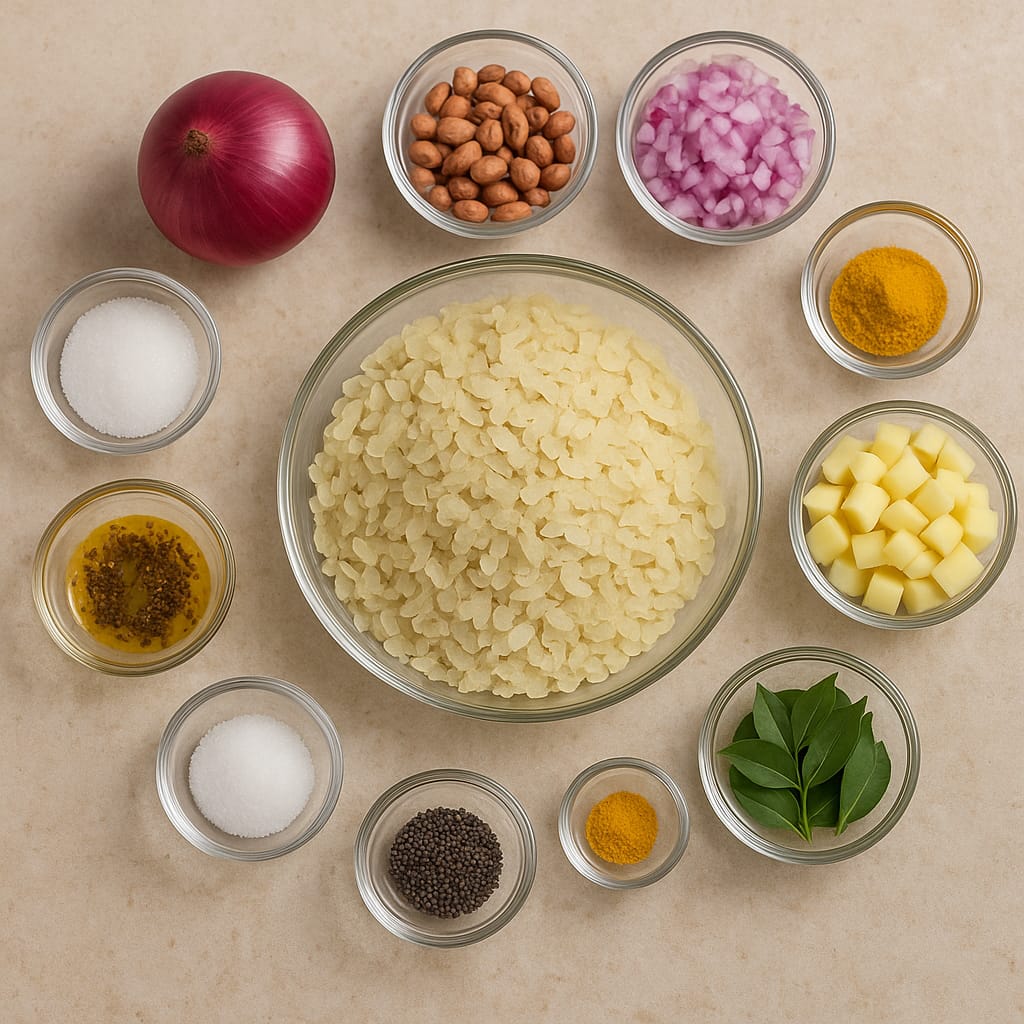
Ingredients
For the Poha
- Medium-thick poha (flattened rice) – 2 cups
- Salt – ¾ teaspoon (adjust to taste)
- Sugar – ½ to 1 teaspoon (optional)
- Turmeric powder – ¼ teaspoon
For Tempering (Tadka)
- Cooking oil – 2 tablespoons
- Mustard seeds – 1 teaspoon
- Cumin seeds – ½ teaspoon
- Curry leaves – 8–10
- Green chilies – 1–2 (chopped or slit)
- Asafoetida (hing) – a pinch (optional)
- Raw peanuts – ¼ cup
- Onion – 1 medium, finely chopped
- Potato – 1 small or medium, finely diced
For Garnish
- Fresh coriander leaves – 2 tablespoons
- Lemon juice – 1–2 tablespoons
- Grated coconut – 1 tablespoon (optional)
- Sev – for garnish (optional)
Step-by-Step Instructions
Step 1: Prepare the Poha
Place the poha in a colander and rinse gently under running water for 30–60 seconds. Ensure all flakes are moistened evenly but not soaked. Let the excess water drain completely.
Transfer the poha to a bowl. Sprinkle salt, sugar, and turmeric powder. Gently mix using your fingers so the flakes remain intact. Set aside.
Step 2: Prepare the Tempering
Heat oil in a wide pan over medium heat. Add mustard seeds and allow them to splutter. Add cumin seeds, peanuts, and sauté until peanuts turn golden and crunchy.
Add curry leaves, green chilies, and hing. Sauté briefly until aromatic. Add chopped onions and cook until translucent.
Step 3: Cook the Potatoes
Add diced potatoes, mix well, cover, and cook on low to medium heat for 5–7 minutes until potatoes are soft. Stir occasionally and sprinkle a little water if needed.
Step 4: Combine Poha
Add the seasoned poha to the pan. Gently mix everything together, ensuring even distribution of vegetables and spices without breaking the flakes.
Cover and steam on low heat for 2–3 minutes. This step is essential for soft, fluffy poha.
Step 5: Finish & Serve
Turn off the heat. Add coriander leaves, roasted peanuts, lemon juice, and mix gently. Garnish with grated coconut or sev if desired. Serve hot.
Tips & Variations
- Always use medium or thick poha to avoid mushy texture.
- Rinse poha, never soak it.
- Dice potatoes small for even cooking.
- Add green peas for extra nutrition.
- Use red onions for authentic Maharashtrian flavor.
- Skip sugar if you prefer a purely savory taste.
Health Benefits
- Light and easy to digest.
- Good source of carbohydrates for instant energy.
- Low in fat and naturally gluten-free.
- Iron-rich when combined with lemon juice.
- Balanced meal with vegetables and peanuts.
Nutrition (Approximate per Serving)
- Calories: 180–220 kcal
- Carbohydrates: 35 g
- Protein: 6 g
- Fat: 6 g
- Fiber: 4 g
Who Should Eat / Avoid
Good for: Kids, elders, working professionals, weight-watchers, and people looking for light meals.
Avoid or limit: Those on very low-carb diets or with peanut allergies.
Storage Tips
Poha tastes best when fresh. If needed, store leftovers in an airtight container in the refrigerator for up to 24 hours. Reheat gently with a sprinkle of water.
Frequently Asked Questions (FAQs)
Can I make poha without potatoes?
Yes, plain kanda poha without potatoes is also very popular.
Why is my poha sticky?
Over-soaking or using thin poha causes stickiness.
Can I use brown poha?
Yes, brown poha is healthier but may need slightly longer steaming.
Conclusion
Classic Kanda Batata Poha is proof that simple ingredients can create extraordinary comfort food. With minimal effort and the right technique, you can enjoy a fluffy, flavorful, and nutritious Indian breakfast at home. Whether you are new to Indian cooking or a seasoned home cook, this poha recipe deserves a permanent place in your kitchen routine.
సాంప్రదాయ కాండా బటాటా పొహా | ఉల్లిపాయ ఆలుగడ్డ పొహా రెసిపీ
పరిచయం
పొహా అనేది భారతదేశంలో అత్యంత ప్రజాదరణ పొందిన అల్పాహారాలలో ఒకటి. అన్నాన్ని ఒత్తి పలుచగా చేసిన బియ్యం రేకలతో తయారయ్యే ఈ వంటకం తేలికగా జీర్ణమవుతుంది మరియు శరీరానికి వెంటనే శక్తినిస్తుంది.
మహారాష్ట్ర వంటకాలలో ప్రత్యేక స్థానాన్ని సంపాదించిన కాండా బటాటా పొహా అనేది ఉల్లిపాయలు (కాండా), ఆలుగడ్డలు (బటాటా), పల్లీలు మరియు మసాలాల సమ్మేళనంతో తయారయ్యే సంపూర్ణమైన అల్పాహారం.
తక్కువ నూనెతో, తక్కువ సమయంలో తయారయ్యే ఈ పొహా రెసిపీ ఉదయం బ్రేక్ఫాస్ట్కు, తేలికపాటి మధ్యాహ్న భోజనానికి లేదా సాయంత్రం స్నాక్గా కూడా అద్భుతంగా సరిపోతుంది.
వంట సమయం
- తయారీ సమయం: 10–15 నిమిషాలు
- వంట సమయం: 15–20 నిమిషాలు
- మొత్తం సమయం: 25–35 నిమిషాలు
పదార్థాలు
పొహా కోసం
- మధ్యస్థ పొహా (అన్నం రేకలు) – 2 కప్పులు
- ఉప్పు – ¾ టీస్పూన్
- చక్కెర – ½ నుంచి 1 టీస్పూన్ (ఐచ్చికం)
- పసుపు పొడి – ¼ టీస్పూన్
తాలింపు కోసం
- నూనె – 2 టేబుల్ స్పూన్లు
- ఆవాలు – 1 టీస్పూన్
- జీలకర్ర – ½ టీస్పూన్
- కరివేపాకు – 8–10
- పచ్చిమిర్చి – 1–2 (చిన్న ముక్కలుగా)
- ఇంగువ – చిటికెడు
- పల్లీలు – ¼ కప్పు
- ఉల్లిపాయ – 1 (సన్నగా తరిగినవి)
- ఆలుగడ్డ – 1 (చిన్న ముక్కలుగా)
అలంకరణ కోసం
- కొత్తిమీర – 2 టేబుల్ స్పూన్లు
- నిమ్మరసం – 1–2 టేబుల్ స్పూన్లు
- తురిమిన కొబ్బరి – ఐచ్చికం
- సేవ్ – ఐచ్చికం
తయారీ విధానం
దశ 1: పొహా సిద్ధం చేయడం
పొహాను వడగట్టే జల్లెడలో వేసి నీటిలో తేలికగా కడగాలి. నీరు ఎక్కువగా ఉండకుండా వడగట్టి పక్కన పెట్టాలి.
తర్వాత ఉప్పు, పసుపు, చక్కెర వేసి మెల్లగా కలపాలి.
దశ 2: తాలింపు
పాన్లో నూనె వేడి చేసి ఆవాలు వేయాలి. చిటపటలాడిన తర్వాత జీలకర్ర, పల్లీలు వేసి వేయించాలి.
కరివేపాకు, పచ్చిమిర్చి, ఇంగువ వేసి ఉల్లిపాయలు జత చేసి మృదువుగా వేయించాలి.
దశ 3: ఆలుగడ్డలు
ఆలుగడ్డ ముక్కలు వేసి మూతపెట్టి మృదువుగా అయ్యే వరకు ఉడికించాలి.
దశ 4: పొహా కలపడం
తయారైన పొహాను పాన్లో వేసి మెల్లగా కలపాలి. మూతపెట్టి తక్కువ మంటపై 2–3 నిమిషాలు ఆవిరి పట్టనివ్వాలి.
దశ 5: సర్వ్ చేయడం
కొత్తిమీర, నిమ్మరసం వేసి మెల్లగా కలిపి వేడిగా సర్వ్ చేయాలి.
చిట్కాలు & మార్పులు
- పలుచని పొహా వాడకండి.
- పొహాను నానబెట్టకండి – కడగడం సరిపోతుంది.
- ఆరోగ్యానికి గ్రీన్ పీస్ జత చేయవచ్చు.
- బ్రౌన్ పొహా వాడితే ఇంకా ఆరోగ్యకరం.
ఆరోగ్య ప్రయోజనాలు
- తేలికగా జీర్ణమవుతుంది.
- ఇనుము సమృద్ధిగా ఉంటుంది.
- తక్కువ కేలరీలు, ఎక్కువ శక్తి.
- గ్లూటెన్ ఫ్రీ ఆహారం.
పోషక విలువలు (ఒక సర్వింగ్కు)
- కేలరీలు : 180–220 kcal
- కార్బోహైడ్రేట్స్: 35 g
- ప్రోటీన్ : 6 g
- కొవ్వు : 6 g
- ఫైబర్ : 4 g
ఎవరికి మంచిది / ఎవరు తినకూడదు
మంచిది: పిల్లలు, వృద్ధులు, ఉద్యోగులు, బరువు తగ్గాలనుకునేవారు.
తప్పించుకోవాలి: పల్లీ అలర్జీ ఉన్నవారు.
నిల్వ విధానం
పొహాను తాజాగా తినడం ఉత్తమం. అవసరమైతే 24 గంటల వరకు ఫ్రిజ్లో నిల్వ చేయవచ్చు.
తరచూ అడిగే ప్రశ్నలు
ఆలుగడ్డలు లేకుండా చేయవచ్చా?
అవును, కాండా పొహా మాత్రమే చేయవచ్చు.
పొహా అంటుకుపోతే ఎందుకు?
ఎక్కువ నీటిలో నానబెట్టడం వల్ల.
బ్రౌన్ పొహా వాడవచ్చా?
అవును, కొంచెం ఎక్కువ ఆవిరి పట్టాలి.
ముగింపు
సాంప్రదాయ కాండా బటాటా పొహా అనేది తక్కువ పదార్థాలతో, తక్కువ సమయంలో తయారయ్యే ఆరోగ్యకరమైన భారతీయ అల్పాహారం. సరైన విధానం పాటిస్తే ప్రతిసారి పొహా మెత్తగా, రుచిగా తయారవుతుంది. మీ రోజు ఆరోగ్యంగా ప్రారంభించేందుకు ఈ రెసిపీని తప్పకుండా ప్రయత్నించండి.
Leave a Comment